NFT Gaming Tokens: Complete Beginner’s Guide

Non-fungible tokens (NFTs) have transformed how players interact with digital games, creating new opportunities for ownership, earning, and trading in virtual worlds. NFT gaming tokens represent a fundamental shift from traditional gaming models where players never truly own their in-game assets. This guide explains everything you need to know about this emerging intersection of blockchain technology and gaming.
Key Insights
– NFT gaming allows players to truly own digital assets that can be traded across platforms
– The play-to-earn model has created billion-dollar economies in some blockchain games
– Understanding tokenomics and blockchain fundamentals is essential before investing time or money
What Are NFT Gaming Tokens?
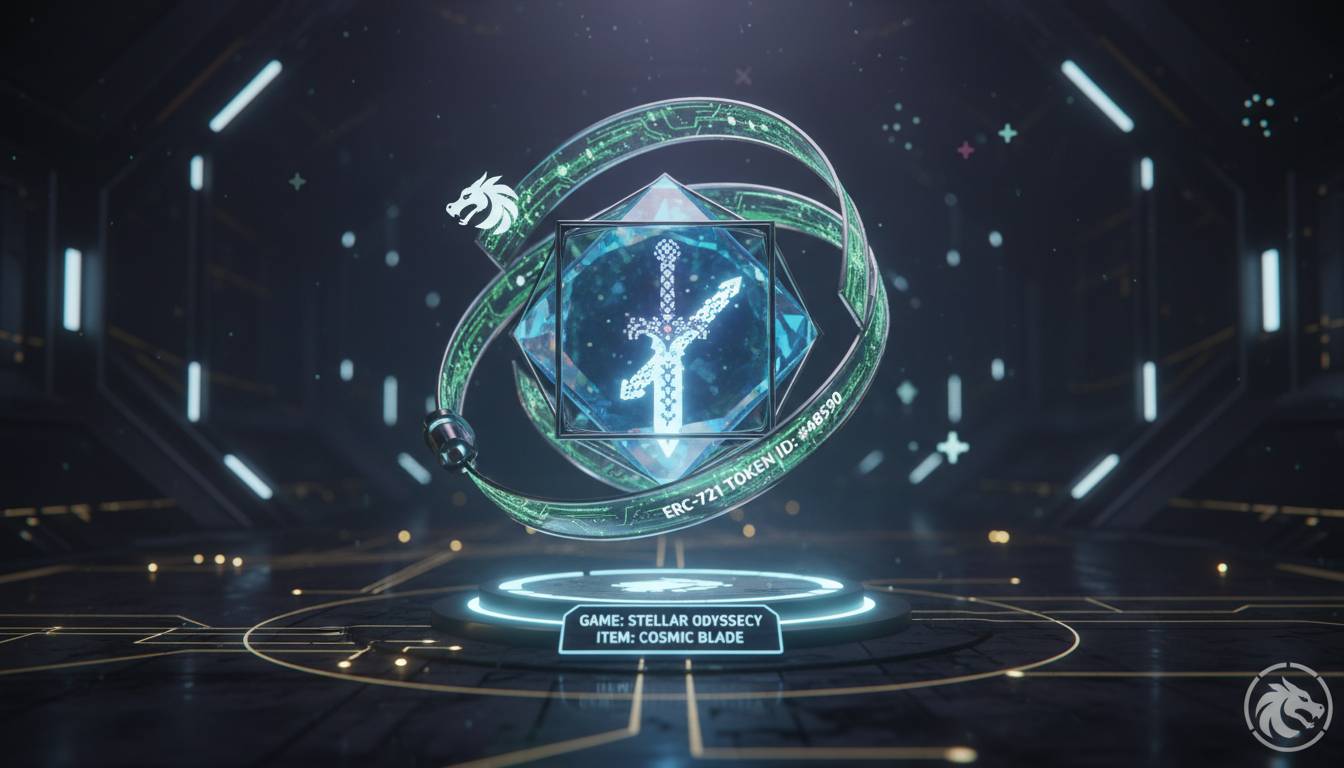
NFT gaming tokens are blockchain-based digital assets that represent ownership of in-game items, characters, land, or other virtual goods. Unlike traditional game items that exist only within a single game’s servers and can be modified or deleted by the developer, NFT items exist on a decentralized blockchain that no single company controls.
The “non-fungible” designation means each token is unique and cannot be replaced with an identical item. A specific sword in a blockchain game carries different attributes, history, and value than another sword of the same type. This uniqueness creates scarcity and ownership verification that traditional gaming cannot match.
When you purchase an NFT in a blockchain game, you receive a cryptographic token proving ownership. This token stays in your wallet regardless of what happens to the game’s developer or servers. Players can often sell, trade, or transfer these items to other players without developer permission.
How NFT Gaming Works
Blockchain Infrastructure
NFT games operate on blockchain networks, with Ethereum serving as the original platform for most early implementations. Other chains like Solana, Polygon, Binance Smart Chain, and Flow have developed gaming-specific blockchains offering lower transaction fees and faster processing times.
Each transaction involving NFT gaming tokens gets recorded on the blockchain, creating a permanent, transparent history of ownership. This public ledger allows anyone to verify an item’s authenticity and trace its entire ownership history.
True Ownership vs. Traditional Gaming
In conventional games, developers maintain complete control over all virtual items. They can modify item stats, remove items entirely, ban accounts, or shut down servers without recourse. Players essentially rent their in-game possessions under terms of service agreements.
NFT gaming shifts this power dynamic. When you buy an NFT character or item, the blockchain recognizes your wallet address as the permanent owner. Even if the game studio closes, the item data remains on the blockchain. Some projects have even enabled cross-game compatibility, allowing certain NFTs to function across multiple virtual worlds.
The Play-to-Earn Model
Play-to-earn represents the revolutionary aspect of NFT gaming. Traditional games extract value from players through microtransactions while providing nothing in return. Play-to-earn games reward players with tokens or NFTs that hold real monetary value.
Players can earn tokens through various activities: completing quests, winning battles, crafting items, or simply logging in daily. These rewards can often be exchanged for cryptocurrency or sold to other players for fiat currency. In regions with unstable economies, particularly in Southeast Asia and Latin America, some players have earned significant income through play-to-earn gaming.
Types of NFT Gaming Assets
Game Characters and Avatars
Character NFTs represent playable figures with unique attributes, appearances, and abilities. In games like Axie Infinity, players collect Axies with distinct traits affecting their performance in battle. These characters can be bred to create new offspring with combined characteristics, creating a breeding economy around rare trait combinations.
Some character NFTs serve purely cosmetic purposes, functioning as avatars in metaverse platforms like The Sandbox or Decentraland. These digital identities carry between virtual spaces, representing your presence across the metaverse.
Virtual Land and Real Estate
Virtual land has become one of most valuable NFT gaming asset categories. Platforms like The Sandbox and Decentraland divide their virtual worlds into parcels that players can purchase, develop, and monetize.
Landowners can create experiences, host events, charge admission to attractions, or lease space to other players. During peak market periods in 2021-2022, some virtual parcels sold for millions of dollars, though values have fluctuated dramatically.
In-Game Items and Equipment
Weapons, armor, skins, and consumable items represent the most common NFT gaming assets. These items provide gameplay advantages, cosmetic customization, or utility within game economies.
Games like Gods Unchained trading card game demonstrate how collectible game items translate to NFTs. Players own their cards completely and can trade them on open marketplaces, unlike traditional digital card games where cards remain locked in publisher-controlled accounts.
Popular NFT Gaming Platforms
| Platform | Blockchain | Type | Key Feature |
|---|---|---|---|
| Axie Infinity | Ethereum/Ronin | Battle RPG | First major play-to-earn |
| The Sandbox | Ethereum | Metaverse | User-created experiences |
| Decentraland | Ethereum | Metaverse | DAO governance |
| Illuvium | Ethereum | Open-world RPG | Auto-battler with NFT creatures |
| Splinterlands | Hive | Trading card | Low barrier to entry |
Axie Infinity dominated early NFT gaming adoption, reportedly generating over $1 billion in revenue at its peak. The game introduced many players to blockchain gaming concepts and inspired countless subsequent projects.
The Sandbox has positioned itself as a creator economy platform, providing tools allowing users to build and monetize their own gaming experiences within the larger metaverse framework.
Getting Started with NFT Gaming
Setting Up a Wallet
Before entering NFT gaming, you need a cryptocurrency wallet that supports the blockchain networks used by your chosen games. MetaMask remains the most widely compatible option, supporting Ethereum and EVM-compatible networks like Polygon and Binance Smart Chain.
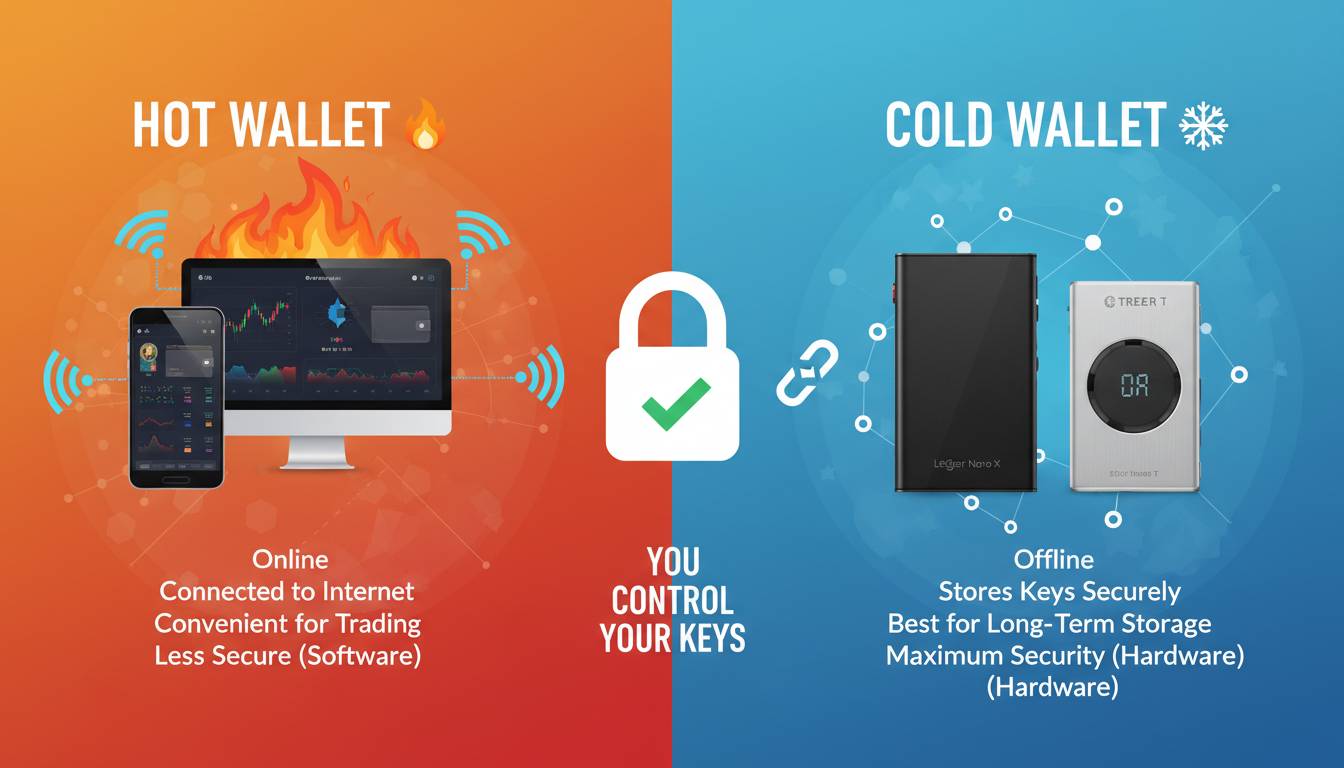
Creating a wallet involves installing a browser extension or mobile app, generating a seed phrase (which you must store securely offline), and funding your wallet with the appropriate cryptocurrency for gas fees and purchases.
Acquiring Your First NFT
Most NFT games require an initial investment to start playing. This entry cost covers the NFT assets needed for gameplay, whether characters, land, or equipment. Prices vary dramatically—some games offer affordable entry points while others require substantial investment.
Marketplaces like OpenSea, Magic Eden, and in-game markets facilitate purchases. Always verify item rarity, gameplay utility, and project reputation before buying. Scammers frequently target NFT marketplaces with fake listings or counterfeit items.
Understanding Tokenomics
Each NFT game operates with its own economy involving multiple tokens. Native tokens typically serve governance and utility functions within the game. Players earn these tokens through gameplay and can often stake them for rewards or use them to purchase in-game items.
Understanding tokenomics helps you assess whether a game’s economy is sustainable or built on unsustainable token inflation. Games that distribute excessive rewards without corresponding value creation often experience dramatic token value collapse.
Risks and Considerations
Market Volatility
NFT gaming assets and their associated tokens experience extreme price volatility. Values can surge dramatically during bull markets only to crash hard during downturns. The 2022 crypto winter devastated many NFT gaming investments, with some assets losing over 90% of their peak value.
Never invest more than you can afford to lose, and recognize that regulatory uncertainty around cryptocurrency and NFTs creates additional risk factors.
Scams and Fraud
The NFT gaming space attracts significant scam activity. Common schemes include fake NFT drops, phishing attacks targeting wallet credentials, pump-and-dump schemes manipulating token prices, and projects that disappear after raising funds.
Only connect your wallet to verified games and marketplaces. Never share your seed phrase. Research projects thoroughly—examine team identities, audit reports, and community feedback before committing funds.
Regulatory Uncertainty
The regulatory landscape for NFTs and gaming tokens remains unclear in most jurisdictions. Securities classification concerns, tax implications, and gambling regulations vary by country and remain subject to change.
The Future of NFT Gaming
The NFT gaming industry continues evolving beyond speculative play-to-earn models toward sustainable gaming experiences enhanced by true ownership. Major gaming companies including Ubisoft, Square Enix, and Epic Games have explored NFT integration, though consumer reception has been mixed.
Interoperability—the ability to use NFT assets across multiple games—remains a long-term goal that could unlock tremendous value. True cross-game items would require industry-wide cooperation on standards, something the fragmented blockchain space struggles to achieve.
Mobile gaming adaptation and simplified onboarding experiences may drive mainstream adoption. Games that hide blockchain complexity while delivering engaging gameplay will likely outperform those requiring users to understand technical fundamentals.
Conclusion
NFT gaming tokens represent a meaningful evolution in digital ownership, offering players genuine property rights in virtual worlds. The play-to-earn model has created real economic opportunities while demonstrating new possibilities for gaming business models.
However, this space carries substantial risks including volatility, scams, and regulatory uncertainty. Anyone entering NFT gaming should research thoroughly, start with small investments, and maintain realistic expectations. The technology continues developing, and while the initial hype cycle has cooled, the fundamental innovations around ownership and interoperability may shape gaming’s future significantly.
Frequently Asked Questions
Are NFT games free to play?
Most NFT games require an initial investment to purchase necessary NFT assets like characters or equipment. However, some projects offer free-to-earn options or rental systems allowing players without assets to participate. The barrier to entry varies significantly between games.
Can I lose money on NFT gaming investments?
Yes, NFT gaming assets have experienced dramatic value fluctuations, with many losing significant percentages during market downturns. Unlike traditional investments, you may also lose access to assets if games close or if you fall victim to scams. Never invest more than you can afford to lose.
What’s the difference between fungible tokens and NFTs in gaming?
Fungible tokens are interchangeable cryptocurrency units—each token of the same type holds equal value. NFTs represent unique items that cannot be exchanged on a one-to-one basis because each carries distinct attributes, history, and scarcity.
How do I avoid NFT gaming scams?
Stick to verified marketplaces and official game links. Never share your wallet seed phrase. Research projects before buying—look for team verification, community discussions, and transparent tokenomics. Be skeptical of promises guaranteeing returns or urgent investment opportunities.
Which blockchain is best for NFT gaming?
Ethereum offers the largest marketplace and established games but has higher transaction fees. Polygon, Solana, and Binance Smart Chain provide lower costs and faster transactions but smaller ecosystems. The best choice depends on your specific game interests and budget for transaction fees.
Can I sell my NFT gaming items for real money?
Yes, most NFT gaming assets can be sold on marketplace platforms to other players. You can typically convert proceeds to cryptocurrency and then to fiat currency through exchanges. However, liquidity varies significantly—some items may be difficult to sell at desired prices.