Sustainable Fashion Brands That Actually Make a Difference

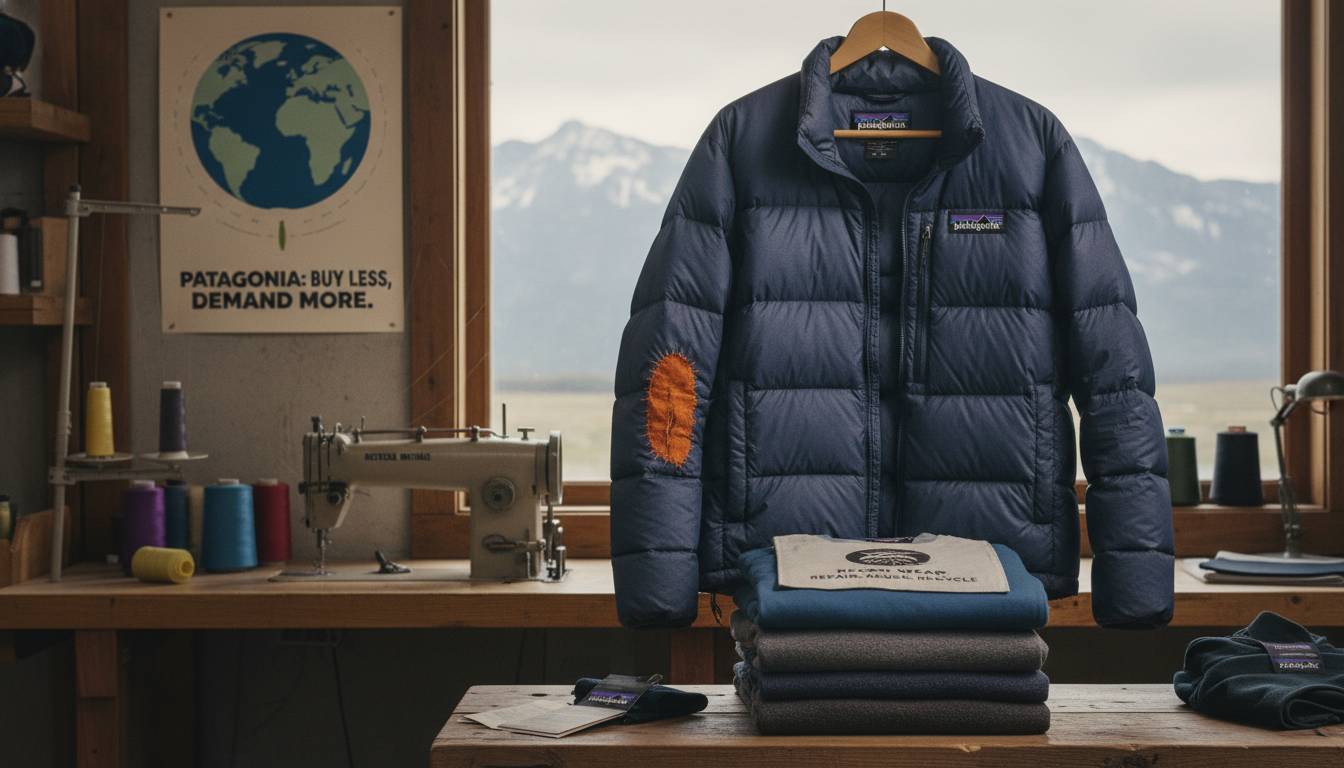
The fashion industry produces approximately 10% of global carbon emissions and generates 92 million tons of textile waste annually. Yet as consumers increasingly seek eco-conscious clothing options, the market has become cluttered with brands making vague sustainability claims that lack real substance. Distinguishing between companies making genuine environmental commitments and those simply capitalizing on greenwashing has never been more critical for mindful shoppers.
This guide cuts through the marketing noise to examine what truly constitutes sustainable fashion, identifies brands demonstrating measurable environmental impact, and provides actionable criteria for making informed purchasing decisions.
What “Sustainable Fashion” Actually Means
The term “sustainable fashion” gets thrown around so frequently that its meaning has become diluted. True sustainability in fashion encompasses multiple interconnected factors that extend far beyond using organic cotton or launching a recycling program.
Environmental sustainability addresses the entire product lifecycle—from raw material sourcing through production, distribution, use, and end-of-life disposal. This includes water consumption, chemical usage, carbon emissions, waste generation, and packaging materials. A brand claiming sustainability must demonstrate reduced environmental impact across all these stages, not just one.
Social sustainability ensures fair labor practices throughout the supply chain. This means living wages, safe working conditions, and respect for worker rights at every manufacturing stage. The Fashion Revolution’s Fashion透明度 Index regularly exposes brands failing to meet basic labor standards, revealing that many companies advertising “sustainability” cannot trace their supply chains beyond final assembly.
Circular fashion represents the shift away from the traditional linear “take-make-dispose” model. Brands embracing circularity design products for longevity, offer repair services, facilitate recycling, and use再生 materials. The Ellen MacArthur Foundation estimates that circular economy principles could reduce fashion’s carbon emissions by 44% by 2030.
Regenerative agriculture goes even further by focusing on farming practices that actively improve soil health, increase biodiversity, and sequester carbon. Brands sourcing materials from regenerative farms are addressing fashion’s environmental footprint at its very origin.
Understanding these distinctions matters because a brand might excel in one area while falling short in others. Genuine sustainability requires holistic commitment across all dimensions.
The Greenwashing Problem in Fashion
Greenwashing—the practice of making misleading or unsubstantiated environmental claims—runs rampant in the fashion industry. A 2023 study by the Changing Markets Foundation found that 60% of sustainability claims by major fashion brands were misleading or unsubstantiated. This widespread deception costs consumers money while delaying meaningful environmental progress.
Common greenwashing tactics include:
Vague terminology: Words like “eco-friendly,” “natural,” or “green” without specific definitions or certifications provide no verifiable information. The Federal Trade Commission has issued guidelines specifically addressing these deceptive claims, yet enforcement remains limited.
Irrelevant claims: Highlighting one sustainable attribute while ignoring significant environmental impacts elsewhere represents a classic diversion technique. A brand might celebrate using organic cotton while manufacturing in countries with coal-heavy energy grids and dumping toxic dyes into local waterways.
Hidden trade-offs: Some “sustainable” collections actually increase overall environmental impact. Ultra-thin fabrics marketed as lightweight and eco-friendly often wear out faster, leading to more frequent replacement purchases and greater cumulative waste.
False certifications: Creating fake certification labels or partnering with obscure organizations that provide credibility without genuine verification misleads consumers who cannot distinguish legitimate certifiers from fake ones.
Offsetting without reduction: Brands claiming carbon neutrality through offset programs while continuing to increase production volumes undermine actual emissions reductions. Offsetting addresses accounting but not the fundamental environmental impact of overproduction.
Recognizing these tactics empowers consumers to demand transparency and hold brands accountable for their claims.
Brands Leading Genuine Sustainability Efforts
Several brands have moved beyond marketing to implement measurable sustainability practices across their operations. The following analysis examines leaders across different market segments.
| Brand | Core Focus | Certification | Price Range | Notable Impact |
|---|---|---|---|---|
| Patagonia | Environmental activism | B Corp, Fair Trade | $$–$$$ | 1% for the Planet since 1985 |
| Eileen Fisher | Circular fashion | B Corp | $$ | Renew program: 100M+ pieces recycled |
| Reformation | Carbon neutral | Climate Neutral Certified | $$ | 50% lower carbon footprint vs industry |
| Outerknown | Fair trade + durability | Fair Trade Certified | $$–$$$ | 100% traceable supply chain |
| Stella McCartney | Luxury sustainability | B Corp | $$$$ | Pioneered mushroom leather |
Patagonia remains the gold standard for authenticity in sustainable fashion. The company has donated over $140 million to environmental organizations through its 1% for the Planet commitment, operates the largest garment repair facility in North America, and has repeatedly demonstrated environmental priority over profit growth. Their “Don’t Buy This Jacket” Black Friday campaign directly challenged consumption culture while transparently sharing their supply chain information.
Eileen Fisher has built an impressive circular economy through its Renew, Resale, and Restore programs. The company reports receiving over 100 million pieces of clothing through its take-back program since 2009, with 94% of returned items either resold, recycled into new products, or donated. Their 2030 sustainability goals include achieving 100% organic or recycled fibers across their entire line.
Reformation achieved carbon neutrality across their entire operations in 2021 while publishing detailed environmental impact data for every product. Their RefScale metric shows customers the environmental footprint of each item—from materials to transportation to care instructions—enabling informed purchasing decisions.
Outerknown, co-founded by professional surfer Kelly Slater, emphasizes durability and fair trade certification. Every product carries a tag listing the workers who made it, complete with factory locations and worker names. Their S.E.A. Jeans line offers a 25-year warranty, challenging the throwaway fashion mentality.
Stella McCartney has pioneered innovative materials including mushroom leather (Mylo), recycled polyester from ocean plastic, and organic cotton from regenerative farms. As a luxury brand demonstrating that high fashion can operate without animal products or virgin plastics, they influence industry-wide material innovation.
How to Verify Sustainability Claims
Beyond selecting brands from curated lists, developing personal verification skills ensures long-term ability to identify genuinely sustainable options. Several concrete methods help cut through marketing claims.
Seek third-party certifications: Recognized certifications provide independent verification of sustainability claims. Key certifications include:
- B Corp Certification: Requires meeting rigorous social and environmental performance standards across the entire business operations
- GOTS (Global Organic Textile Standard): Ensures organic status of textiles from harvesting through manufacturing
- OEKO-TEX Standard 100: Tests for harmful substances in textiles at all production stages
- Fair Trade Certified: Guarantees fair wages, safe working conditions, and environmental protections
- Bluesign: Approves sustainable textile manufacturing processes
Research supply chain transparency: Brands genuinely committed to sustainability typically publish supplier lists, factory locations, and audit results. Patagonia, Eileen Fisher, and Outerknown all provide detailed supply chain information. Companies refusing to disclose manufacturing locations raise immediate red flags.
Examine materials comprehensively: While organic cotton represents an improvement over conventional cotton, it still requires significant water resources. The most sustainable materials typically include recycled fibers, organic hemp, Tencel/Lyocell (closed-loop production), and innovative alternatives like pineapple leaf fiber or mushroom leather.
Calculate product lifecycle footprint: Durable products that last longer consistently outperform “eco-friendly” items that quickly wear out. The most sustainable garment is often one you already own or can purchase secondhand.
Check sustainability reports: Major brands publishing annual sustainability reports with specific, measurable goals and transparent progress tracking demonstrate commitment beyond marketing. The absence of detailed reporting or vague aspirational language typically indicates limited actual progress.
The Business Case for Sustainability
Sustainability in fashion has evolved from niche marketing angle to business imperative. Consumer research consistently shows growing demand for environmentally responsible products, particularly among younger demographics.
A 2023 McKinsey survey found that 66% of consumers consider sustainability when making a purchase, rising to 73% among Generation Z. More significantly, 57% of consumers will change purchasing habits to reduce environmental impact, indicating willingness to sacrifice convenience or price for sustainability.
This demand shift creates tangible market advantages for authentic sustainable brands:
Premium pricing sustainability: Brands demonstrating genuine sustainability credentials command higher price points because consumers associate environmental responsibility with quality and durability.
Supply chain resilience: Companies with transparent, localized supply chains demonstrated greater stability during pandemic disruptions compared to brands dependent on complex global manufacturing networks.
Talent acquisition: Sustainability-focused businesses increasingly attract top talent who seek employers aligned with personal values, particularly among younger workers.
Risk mitigation: Brands facing supply chain controversies, labor violations, or environmental disasters experience significant reputational and financial damage. Sustainability investments reduce these operational risks.
Innovation driver: Sustainability constraints frequently produce innovative materials and processes that create competitive advantages. Adidas’s partnership with Parley for Ocean Plastic generated significant brand value while addressing plastic pollution.
The business case reinforces that sustainability represents not just ethical preference but strategic advantage.
Common Sustainable Fashion Mistakes
Even well-intentioned consumers frequently undermine their sustainability goals through common missteps. Understanding these pitfalls enables more effective purchasing decisions.
Overthinking materials while ignoring longevity: obsessing over whether organic cotton beats recycled polyester misses the most critical factor—how long the garment lasts. A $20 conventional t-shirt worn 50 times has lower environmental impact than a $80 “sustainable” t-shirt worn five times.
Assuming expensive equals sustainable: Luxury pricing does not guarantee ethical production or environmental responsibility. Some high-end brands produce in the same factories as fast fashion competitors while charging premium prices purely for brand prestige.
Neglecting care instructions: Washing, drying, and maintaining clothes accounts for significant environmental impact over a garment’s lifetime. Following care labels, washing in cold water, air drying, and minimizing dry cleaning dramatically extends clothing lifespan regardless of purchase price.
Ignoring secondhand options: The most sustainable garment is one already manufactured. Thrift stores, consignment shops, and peer-to-peer platforms provide access to quality items without additional production impact.
Pursuing perfection over progress: Waiting for brands offering 100% sustainable products prevents any sustainable purchasing. Selecting options that represent meaningful improvement over conventional alternatives creates positive cumulative impact.
The Future of Sustainable Fashion
The sustainable fashion landscape continues evolving rapidly, with several emerging trends suggesting where the industry heads.
Regulatory momentum: The European Union’s Digital Product Passport initiative requires detailed sustainability information for all textile products sold in EU markets. Similar regulations are under consideration in the United States, potentially requiring brands to disclose supply chain information and environmental impact data.
Material innovation: Mushroom leather, algae-based textiles, and lab-grown fibers approach commercial viability. These innovations could dramatically reduce fashion’s environmental footprint by replacing resource-intensive conventional materials.
Rental and subscription models: Clothing rental services like Rent the Runway and Nuuly demonstrate consumer appetite for access over ownership. These models can reduce individual consumption while maintaining wardrobe variety.
Repair and alteration renaissance: The rise of repair cafes, alteration services, and DIY mending reflects growing rejection of throwaway fashion culture. Brands increasingly offering repair services respond to this shifting consumer mindset.
Technology-enabled transparency: Blockchain and RFID technologies enable unprecedented supply chain tracking, making it easier for consumers to verify sustainability claims and for brands to demonstrate accountability.
These developments suggest continued industry transformation toward more sustainable practices, though meaningful progress requires both industry innovation and consumer demand.
Conclusion
Genuine sustainable fashion requires looking beyond marketing claims to verify actual environmental and social impact. Brands like Patagonia, Eileen Fisher, and Reformation demonstrate that profitability and sustainability can coexist while building supply chain transparency and circular economy programs.
For consumers seeking to make meaningful impact, the most effective strategies include prioritizing garment longevity over material certifications, verifying third-party credentials, supporting brands with transparent supply chains, and extending clothing lifespan through proper care and maintenance.
The fashion industry’s sustainability journey remains incomplete, but brands and consumers demonstrating commitment to genuine change create momentum toward a more responsible future. Your purchasing decisions shape which companies thrive—and ultimately determine which vision of fashion dominates the industry’s future.
Frequently Asked Questions
How can I tell if a brand is truly sustainable or just greenwashing?
Look for third-party certifications like B Corp, GOTS, or Fair Trade, which require independent verification. Examine whether the brand publishes detailed supply chain information and annual sustainability reports with specific measurable goals. Be skeptical of vague terms like “eco-friendly” without concrete data supporting the claims.
Are expensive sustainable fashion brands worth the higher prices?
Often yes, but not always. Higher-priced sustainable brands typically use better quality materials and construction, resulting in longer garment lifespans. However, some expensive brands engage in greenwashing without genuine sustainability practices. Research specific brands rather than assuming price indicates authenticity.
What are the most sustainable materials for clothing?
The most sustainable options include organic hemp, Tencel/Lyocell (made through closed-loop processes), recycled fibers (polyester, nylon, cotton), and innovative materials like mushroom leather. However, material choice matters less than overall garment durability and care.
Does buying secondhand count as sustainable fashion?
Yes, secondhand purchasing represents one of the most sustainable options available because it extends garment lifespan without additional production resource consumption. The most sustainable garment is one already manufactured.
How can I make my current wardrobe more sustainable?
Extend clothing lifespan through proper care: wash in cold water, air dry when possible, store items properly, and repair damages promptly. Learning basic sewing skills for simple repairs reduces waste significantly. Washing clothes less frequently also extends fabric life.
Is fast fashion ever sustainable?
Generally no. Fast fashion’s business model relies on high volume and low prices, inherently conflicting with sustainability principles. Some fast fashion brands have improved their environmental practices, but their core model encourages overconsumption and disposable clothing culture that remains fundamentally unsustainable.